Why caring for a parent is a team sport: even when one person does most of the work
By Tony Burrett · 31 March 2026
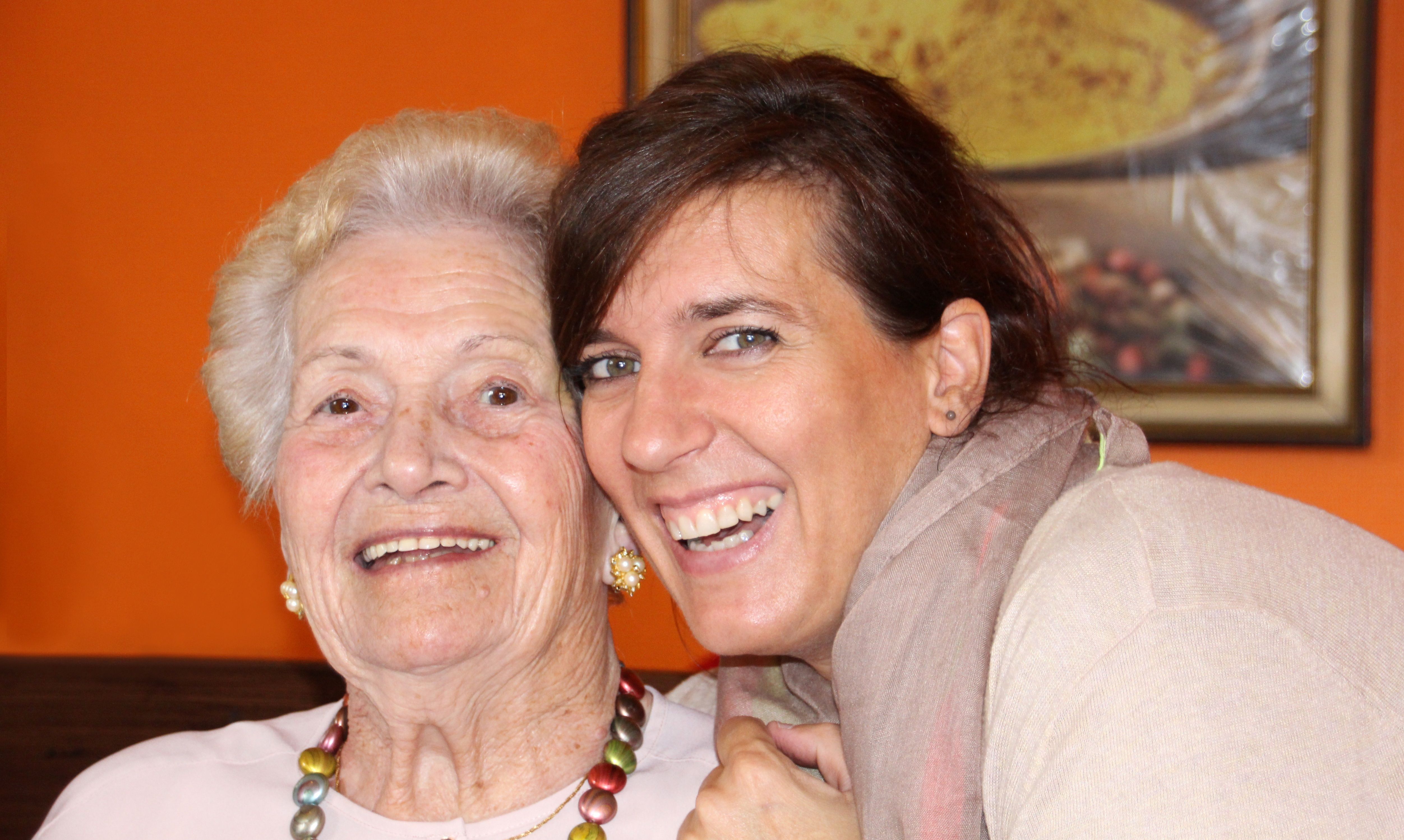
The primary carer doesn't need everyone to do equal work. They need everyone to know what's going on.
Let's be honest about something most caregiving advice gets wrong.
The idea that siblings should split the care load equally sounds fair in theory. In practice, it rarely works. Someone lives closer. Someone has more flexibility. Someone has always been the one Mum calls first. In most families, one or two people end up doing the bulk of the hands-on caregiving — and that's not a failure. That's just how it goes.
The problem isn't the imbalance. The problem is the isolation that comes with it.
The primary carer’s invisible burden
When you're the one managing the appointments, the medications, the My Aged Care paperwork, and the weekly check-ins, you carry something beyond the practical tasks: you carry the information. You know what the GP said last Tuesday. You know which medications were changed and why. You know that Dad had a bad week, or that the home care hours were reduced, or that there's a financial decision coming up that the family needs to make together.
That knowledge lives in your head. And when a sibling calls to ask how things are going — or worse, questions a decision you've made — you have to reconstruct it all from memory, often while you're already exhausted.
Fifty-four percent of Australian carers report high psychological distress. The workload is part of that. But so is the invisible weight of being the sole keeper of everything.
What families actually need isn't equal effort — it's shared visibility
Most siblings who aren't the primary carer aren't disengaged because they don't care. They're disengaged because they don't know what's happening. They feel guilty about that. And sometimes that guilt comes out as questions, second-guessing, or well-meaning suggestions that land as criticism.
Shared visibility changes that dynamic. When everyone in the family can see what's happening — what appointments are coming up, what decisions are being made, what the current situation is — the primary carer stops being the sole source of truth. They don't have to write the same update email three times. They don't have to defend decisions that are already documented. And siblings who want to help can actually see where the gaps are, rather than guessing.
This is the core of what CarePoster is designed to do: give the primary carer a place to log and organise everything, and give the whole family a window into it.
The moment a sibling steps in
There's a specific situation that comes up in almost every caregiving family: the sibling who isn't usually involved has to step in. Maybe the primary carer is sick, or travelling, or just needs a break. Suddenly someone who's been on the periphery is taking Dad to a specialist appointment — and they don't know his medication history, his recent test results, or what the last three months have looked like.
This is where disorganisation becomes genuinely dangerous. A doctor making decisions without a complete picture. A family member improvising in a high-pressure situation. Critical information locked in someone else's phone or memory.
CarePoster is building toward a feature that directly solves this: a downloadable medical briefing — a clear, up-to-date summary of a loved one's health history, current medications, recent appointments, and ongoing concerns. Something the stand-in sibling can hand to a doctor, or read in the car on the way there. Something that means the standard of care doesn't depend on who happens to be in the room.
The same logic applies to finances. When a significant decision comes up — about care costs, about the family home, about government benefits — having all the relevant information already organised in one place means the family can make that decision together, quickly, without anyone feeling blindsided.
Accountability without resentment
For the primary carer, there's another benefit that rarely gets talked about: documentation protects you.
When you're making dozens of decisions a week on behalf of a loved one — some of them difficult, some of them irreversible — having a record of what happened, when, and why is not just useful. It's a form of protection. It means that if a sibling questions a decision six months later, you're not relying on memory to justify yourself. It's there.
That's not about distrust. It's about the kind of transparency that keeps families together through something that is, by any measure, really hard.
You don't have to do it alone. But you don't have to pretend everyone can do it equally, either.
The goal isn't to manufacture a perfectly balanced care roster. It's to make sure that the people who are doing the work feel supported, that the people on the periphery feel informed, and that when someone needs to step in — or step up — everything they need is already there waiting for them.
That's what good care coordination looks like. Not equal effort — shared clarity.
Ready to share the load? CarePoster gives families a shared space to organise care information, track what's happening, and stay connected — whether you're the one doing everything or the one trying to stay in the loop. Free to try at careposter.com
Image by Tania Van den Berghen from Pixabay